

Anaphylaxis is a severe and potentially life-threatening allergic reaction that can occur rapidly, often within minutes of exposure to an allergen. It’s a medical emergency that requires immediate attention and intervention. Having knowledge of first aid management for anaphylaxis can be the difference between life and death, making it crucial for individuals, especially those who work in healthcare, education, or any setting where people may be exposed to allergens, to be well-versed in the appropriate response.
Anaphylaxis can be triggered by a variety of allergens, including foods like nuts, shellfish, and eggs, insect stings, medications, and even latex. The symptoms can vary but often include swelling of the face, lips, or throat, difficulty breathing, hives, a sudden drop in blood pressure, and gastrointestinal symptoms like nausea or vomiting. Because of the rapid progression of these symptoms, immediate recognition and treatment are essential.
A course in the first aid management of anaphylaxis provides participants with the critical skills needed to respond effectively to such emergencies. These courses typically cover the identification of anaphylaxis symptoms, understanding the common triggers, and most importantly, the correct use of an adrenaline auto-injector (such as an EpiPen). Administering adrenaline quickly is the primary treatment for anaphylaxis and can help stabilize the individual until professional medical help arrives.
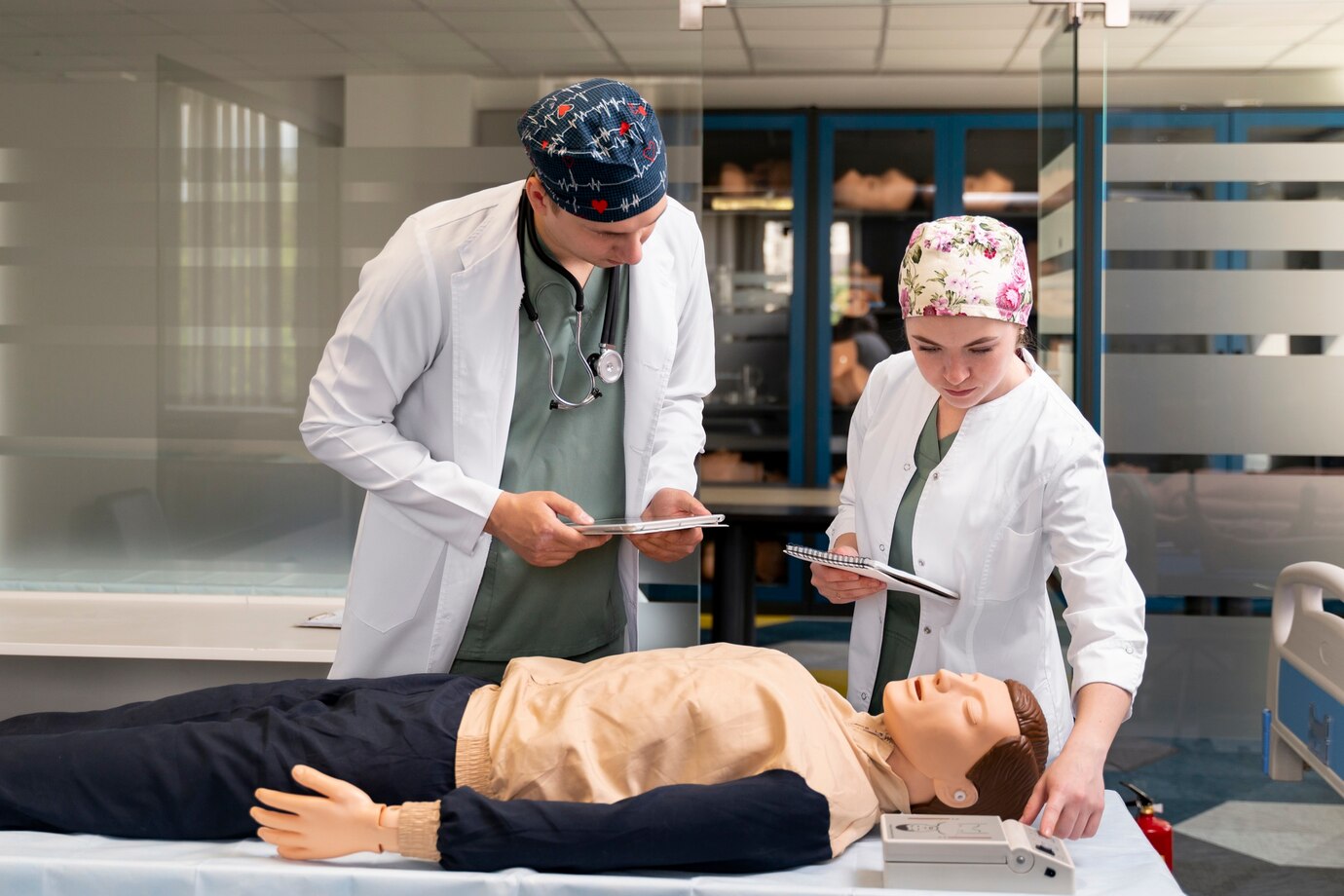
Participants in a first aid anaphylaxis course learn through both theoretical and practical components. They are trained to recognize the early signs of anaphylaxis, which is vital for timely intervention. The course also includes hands-on practice with adrenaline auto-injectors, teaching participants the correct injection techniques, and ensuring they are confident in their ability to administer this life-saving medication under pressure. Furthermore, the course covers what to do after the administration of adrenaline, including monitoring the person, performing CPR if necessary, and understanding the importance of seeking further medical treatment even if the symptoms appear to subside.
In addition to practical skills, these courses often emphasize the importance of developing an action plan, particularly for individuals who are known to be at risk of anaphylaxis. This includes creating emergency plans in schools, workplaces, or public venues, ensuring that everyone in these environments is aware of the signs of anaphylaxis and knows how to respond appropriately.
Completing a course in the first aid management of anaphylaxis empowers individuals to act swiftly and effectively in the face of an emergency. It’s an invaluable skill set that can save lives, providing peace of mind to those at risk of severe allergic reactions, and ensuring a safer environment for everyone. Whether you are a parent, teacher, healthcare worker, or simply someone who wants to be prepared, investing time in this training is a wise and potentially life-saving decision.
4o